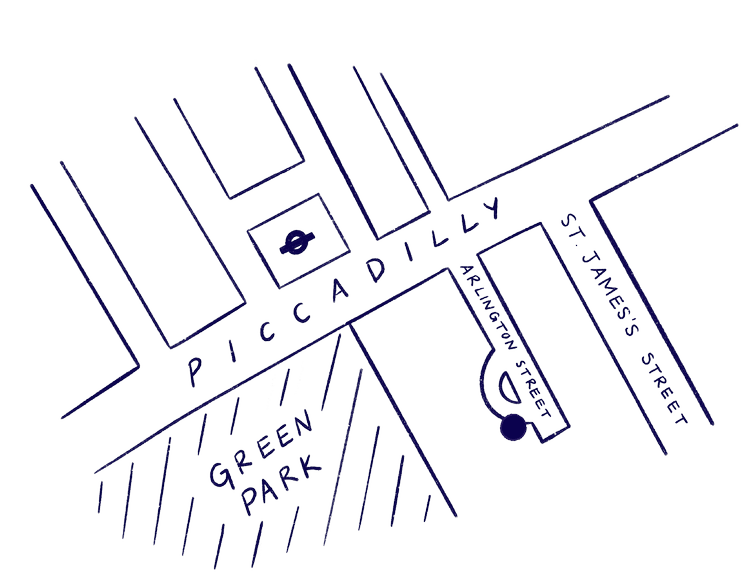
Set between Green Park and Piccadilly, and within easy reach of St James’s Palace, this is a neighbourhood that has long favoured a slower, more considered way of life. The sort of place where lunch can linger all afternoon, and where the details (always the details) matter.
At Arlington, we find that rather reassuring.
A Brief History of Good Taste
St James’s has always been quietly certain of itself.
From royal residence to the spiritual home of London’s gentlemen’s clubs, the area grew into a hub for those who valued discretion over display. St James’s Street remains lined with institutions that have seen rather a lot over the years – though they’d never say so outright.
It has never felt the need to reinvent itself entirely. Instead, it refines. Adjusts. Carries on.
Where to Wander (And Why You Should)
The pleasure of St James’s lies in drifting through it.
Green Park, for a Proper Pause
A few minutes from Arlington, Green Park offers exactly what one hopes for – open space, old trees, and just enough quiet among the chaos to justify staying longer than intended.
Jermyn Street, for the Details
Jermyn Street has built its reputation on precision. Shirtmakers, perfumers, shoemakers; each one devoted to doing one thing exceptionally well. Even a short stroll tends to sharpen the senses.
Piccadilly, for a Bit of Theatre
Piccadilly is where the movement happens. Theatres, traffic, and the gentle hum of London carrying about its business.
Culture, Properly Placed
St James’s doesn’t announce its cultural credentials. It simply gets on with them.
For theatre, there is Theatre Royal Haymarket, a landmark of the West End that has been staging productions since 1720. A little further down the road, Her Majesty’s Theatre continues to draw audiences night after night. It is the long-standing home of The Phantom of the Opera.
Art, meanwhile, is another hallmark of St James’s. White Cube Mason’s Yard brings exhibitions of some of the world’s finest modern artists, while Christie’s auction house remains one of the most recognisable names in the art world — a place where masterpieces quietly change hands.
And then there’s The Royal Academy of Arts, just moments away, where exhibitions have a habit of becoming the talk of the season.
Eating & Drinking, As It Should Be
St James’s approaches food in much the same way it approaches everything else, with confidence and without fuss.
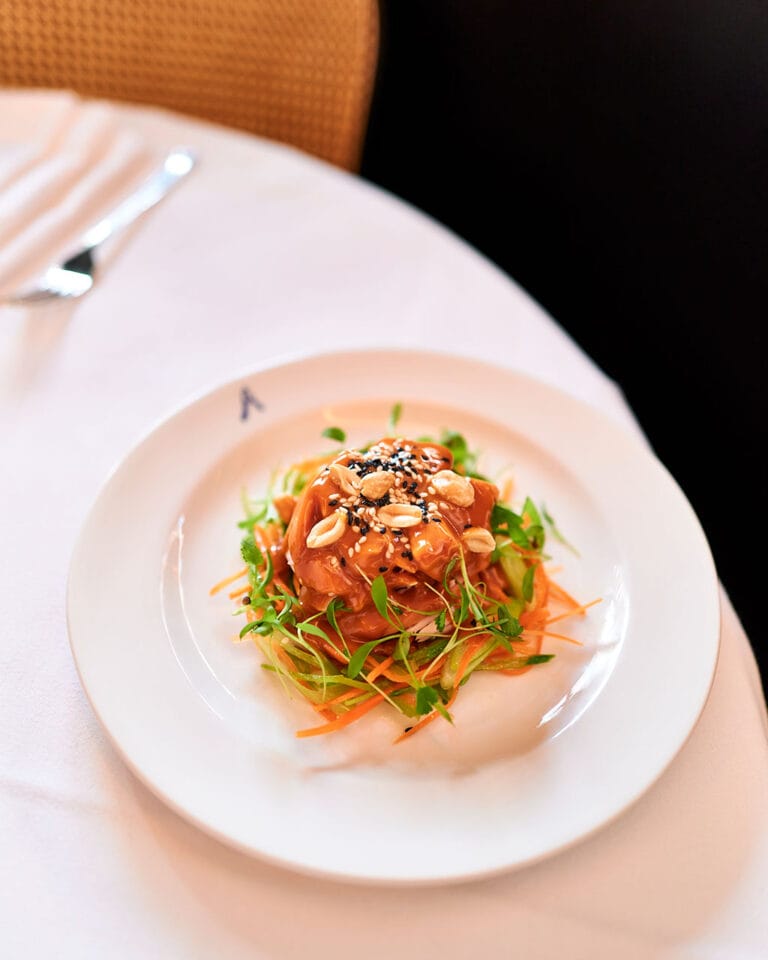
Restaurants here favour substance over spectacle. Proper service, well-spaced tables, vibrant but not overwhelmingly loud gathering spots, and menus that understand the appeal of a classic done well.
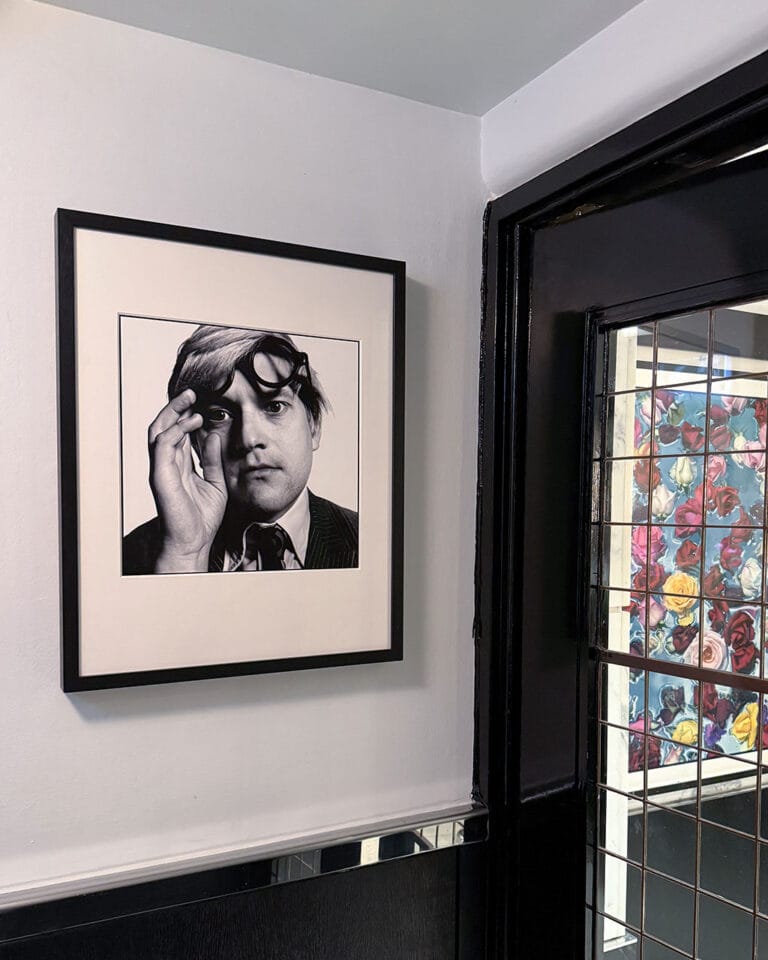
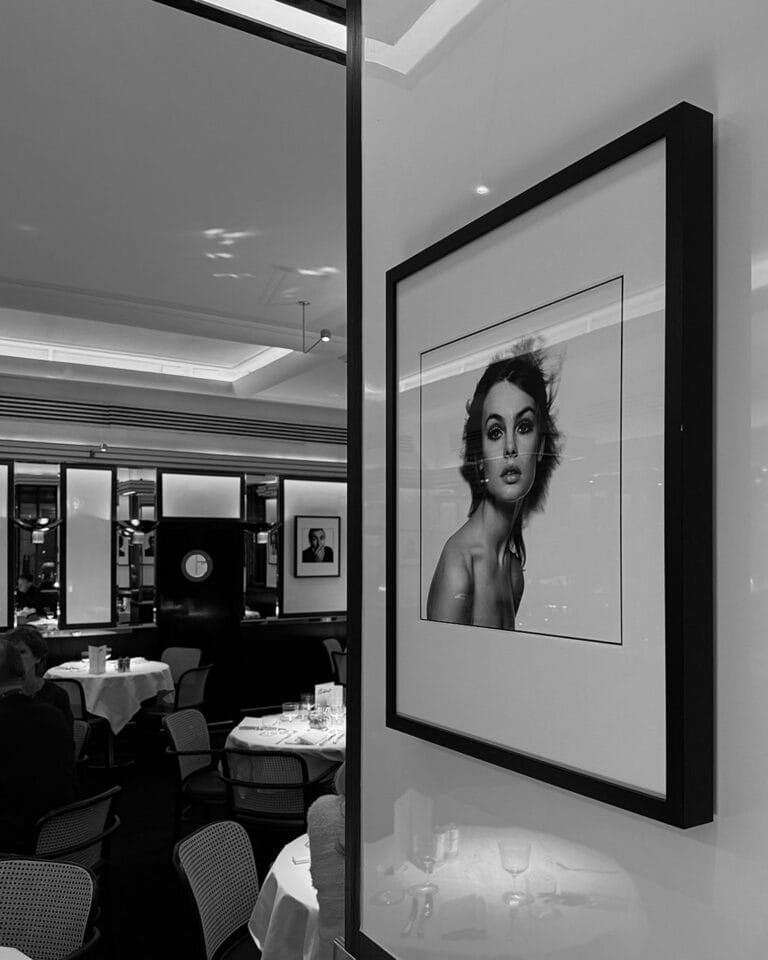
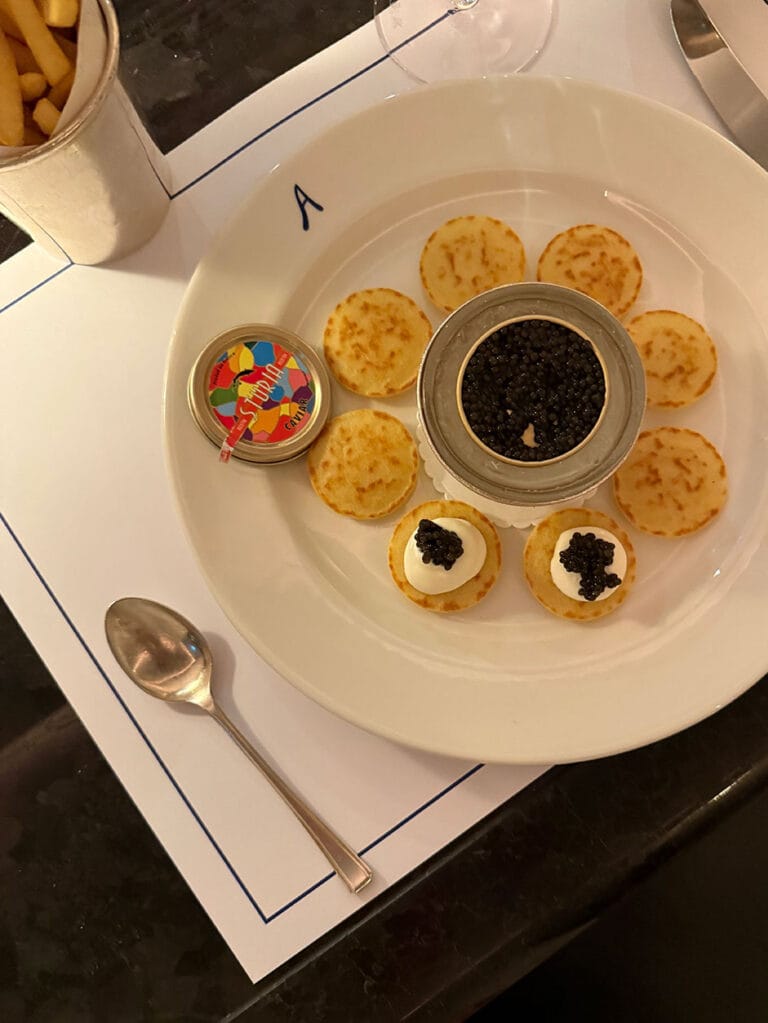
At Arlington, that means dishes rooted in British tradition, a dining room that nods to the past without lingering in it, and just enough theatre courtesy of the walls: lined, as they are, with the unmistakable work of David Bailey.
Lunch has a habit of taking awhile. Dinner, too, is never in a hurry to conclude.
We wouldn’t rush it.

Why St James’s Still Matters
London is rarely still. It reinvents, reopens, and reintroduces itself at pace.
St James’s, however, prefers a lighter touch.
It evolves without abandoning what made it worth visiting in the first place. It understands that luxury is not about what you own, but how you live. And it continues to offer something increasingly rare – the sense that you are exactly where you ought to be, with no particular need to be anywhere else.
A Final Thought (Before Lunch)
If you find yourself in St James’s, allow a little extra time.
For wandering. For noticing. For a second course that wasn’t strictly necessary but feels entirely justified.
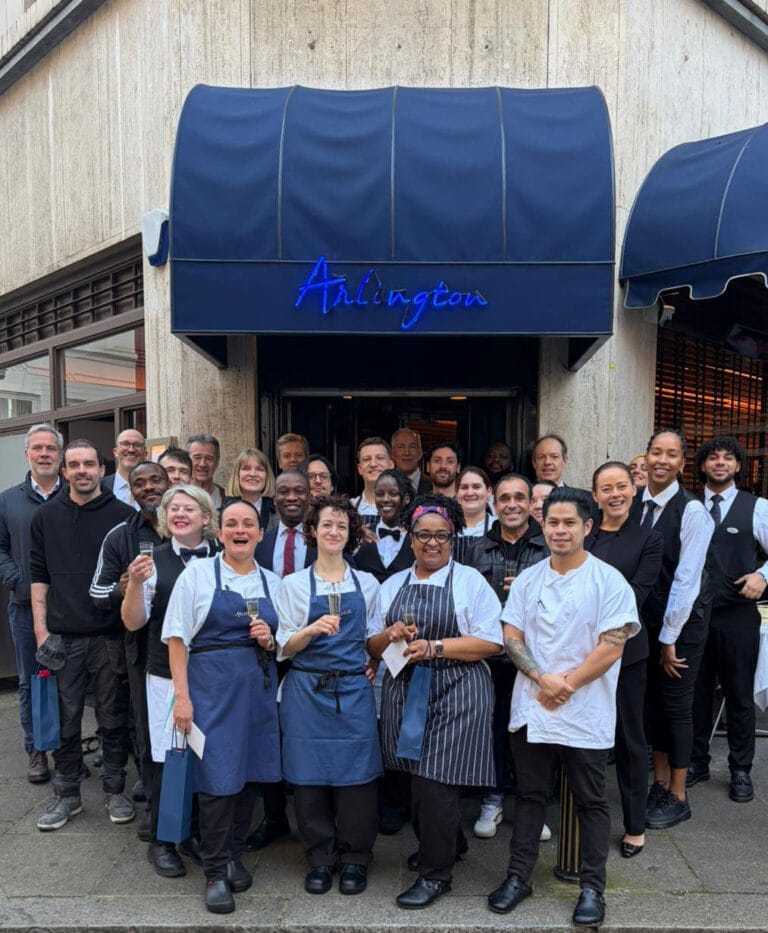
We’ll have a table ready at Arlington.